On October 4, 2014, Kinbaku Today began publishing. Twelve years later, the project looks very different from the site we started.
The original idea was relatively simple: create an English-language space devoted to Japanese kinbaku. At the time, information about Japanese rope was scattered across personal websites, workshops, translated fragments, photographs, books, conversations, and stories passed from practitioner to practitioner. There was relatively little interaction between Japanese artists and western practitioners. Much of the Japanese material remained inaccessible to readers who could not read the language or who had no connection to the small circles in which that information circulated.
Kinbaku Today was intended to help bridge that gap.
Over the years we have published interviews, historical essays, translations, photography, event reports, opinion pieces, memorials, instructional writing, and discussions of the people who shaped Japanese rope culture. We have tried to preserve voices while they could still be heard, document practices while they were still living, and make Japanese perspectives available to readers outside Japan.
For our twelfth anniversary, rather than simply looking at statistics or listing everything we have published, I wanted to choose twelve pieces that tell part of that story. These are not necessarily the twelve most popular articles, nor are they intended as a ranking of the “best” things Kinbaku Today has published.
They are twelve pieces that, taken together, show where the project began, what interested us along the way, and where we are going next.
12 Years, 12 Pieces

1Interview: Iroha Shizuki
Published only a few weeks after Kinbaku Today began, this interview with Iroha Shizuki captures the site at the very beginning of its mission: bringing the voices of Japanese practitioners and models directly to English-speaking readers.
Iroha-san describes discovering kinbaku through adult video, becoming increasingly interested in rope, and eventually leaving an agency because the work it offered was not the kind of kinbaku she wanted to pursue. She ultimately contacted Naka Akira directly and asked him to tie her, beginning an important part of her career as a kinbaku model.
Looking back twelve years later, the interview is also a small piece of historical documentation. It preserves not simply information about Iroha-san, but a particular moment in contemporary Japanese kinbaku culture and the routes through which performers entered it.
2Beautifully Bound
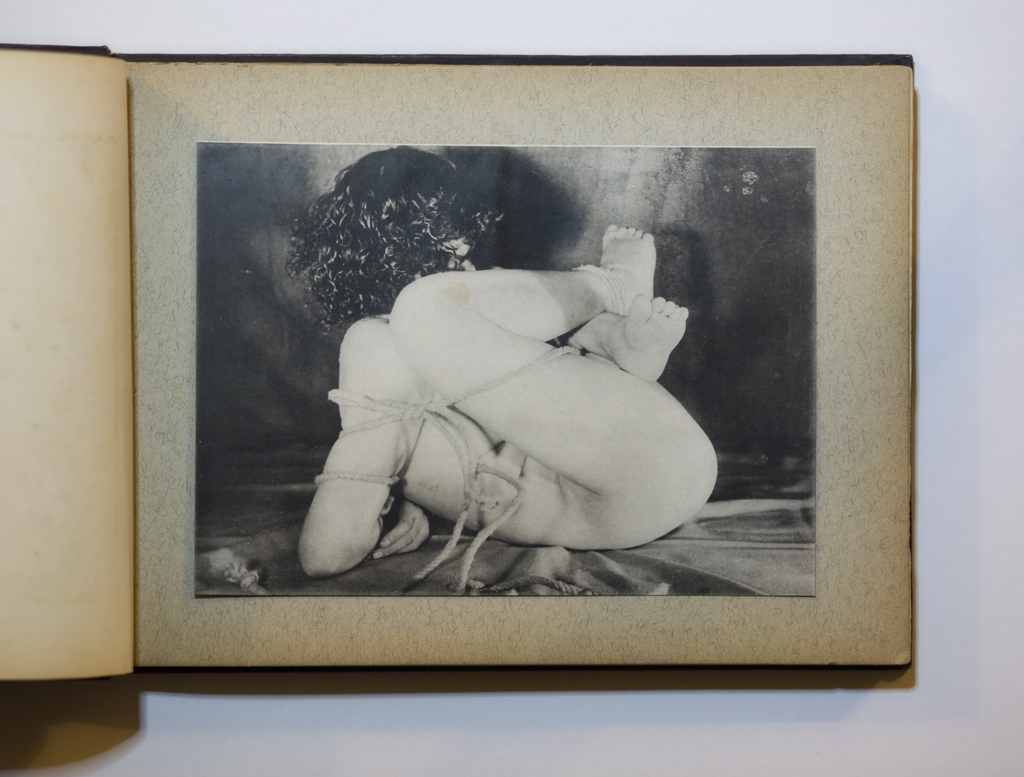
One of the earliest historical pieces on Kinbaku Today focused on Beautifully Bound, the extraordinarily rare postwar bondage volume associated with Minomura Kou, also known by his artist name Kita Reiko.
Minomura was one of the formative figures in the culture that developed around Kitan Club. He worked as an artist, writer, editor, photographer, and bakushi, and his influence extended through several generations of Japanese SM publishing.
At the time, presenting material like Beautifully Bound largely meant introducing readers to a rare object that very few people outside Japan would ever have an opportunity to see.
Today, that same impulse has become one of the foundations of the archive project: locating rare historical material, identifying the people who created it, placing it within its original publishing context, and making that history discoverable.
3Interview: Hourai Kasumi
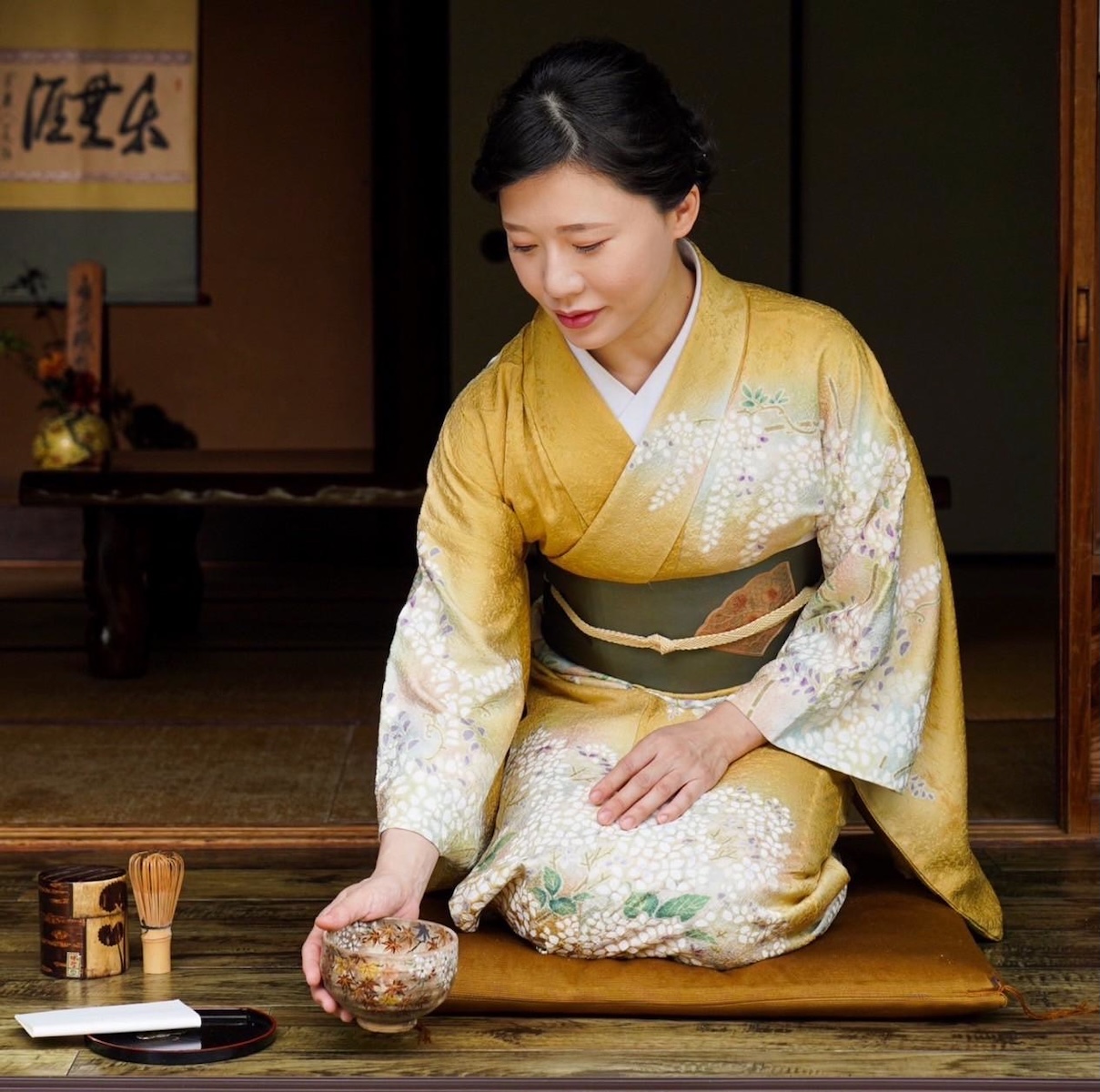
The early interviews on Kinbaku Today were important because they allowed Japanese practitioners to describe their own approaches rather than having their work interpreted entirely through Western terminology.
In this 2015 conversation, Hourai Kasumi discusses beauty, Japanese aesthetics, the influence of tea ceremony and ikebana, her relationship with rope, and her encounters with Akechi Denki. Particularly striking is her insistence that beautiful rope is not simply a matter of making an attractive pattern. The expression of the person being tied must be produced by the rope itself.
The interview also reveals something that would become increasingly important to Kinbaku Today: concepts do not always travel neatly between languages and cultures. Translation involves much more than substituting one English word for one Japanese word.
4Aibunawa and Semenawa: Pleasure and Endurance
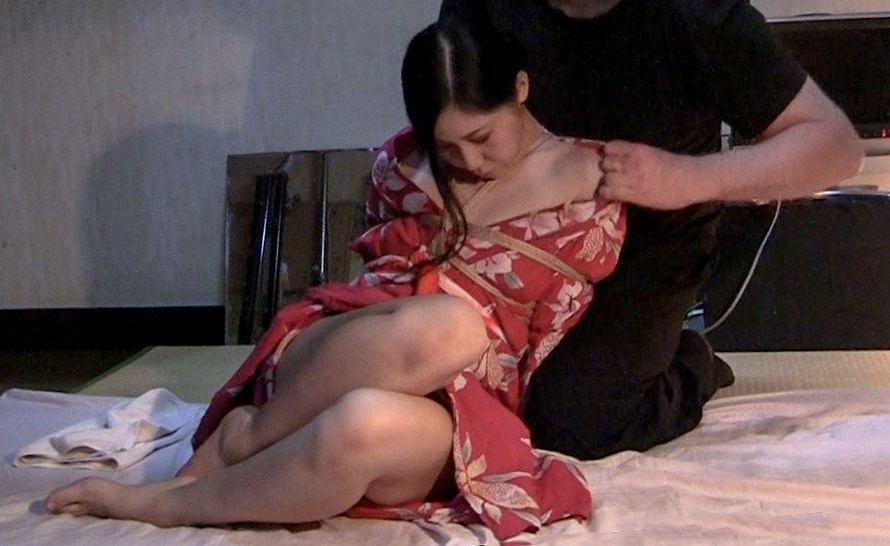
This 2016 essay grew from my own experience studying with Yukimura Haruki shortly before his death.
Yukimura distinguished between different emotional qualities of rope, including aibunawa, rope shaped by affection and intimacy, and semenawa, rope associated with torment and endurance. His teaching was never reducible to a catalog of knots or techniques. Rope was a means of creating and communicating an emotional relationship.
This piece represents another important strand in the history of Kinbaku Today: documenting ideas learned directly from Japanese teachers while those relationships and conversations were still available to us.
It also reminds us that the history of kinbaku cannot be reconstructed from magazines alone. The archive preserves documents, but lived practice, personal transmission, and memory remain essential parts of the story.
5SM Sniper Interview with Osada Steve about Yukimura Haruki
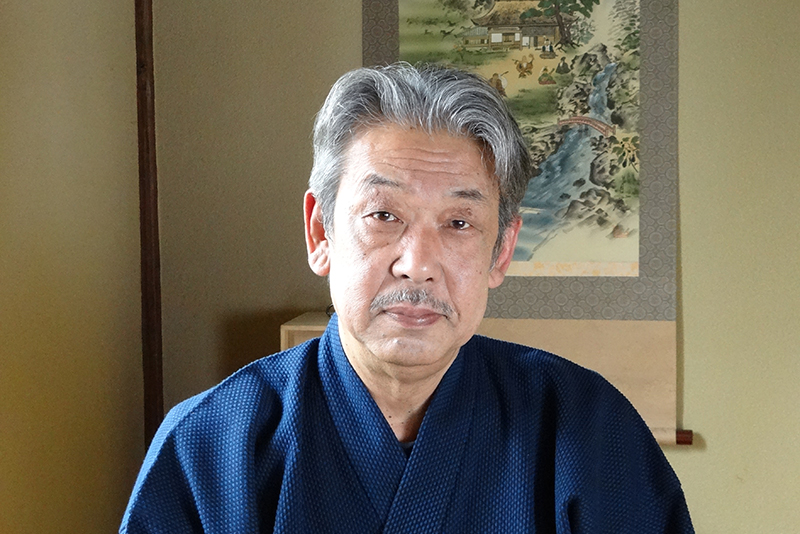
Published in 2017, this translation of an interview originally conducted by SM Sniper shortly after Yukimura Haruki’s death already pointed toward the work Kinbaku Today is doing today.
Here was a Japanese primary source, produced within Japanese SM publishing culture, translated and made accessible to an English-speaking audience.
The interview is valuable not only for what Osada Steve says about Yukimura, but because it preserves a moment in which Japanese kinbaku practitioners were themselves reflecting on transmission, teaching, lineage, and the increasing internationalization of rope.
Today, translations like this can increasingly be connected directly to the magazines and issues from which they originated.
Read the original translation →
6Interview: Saikatsu
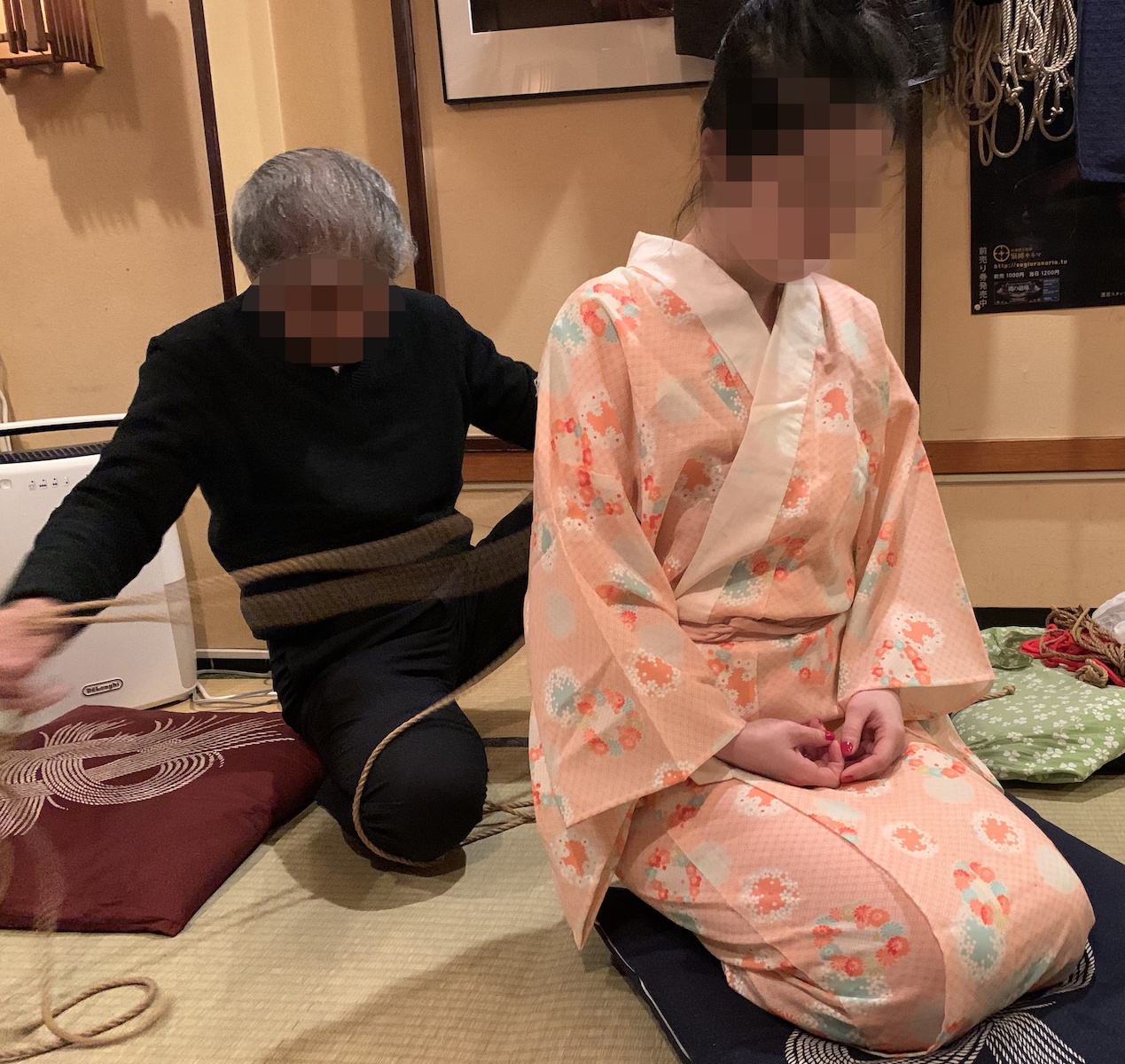
Few pieces illustrate the value of oral history better than the 2019 interview with Saikatsu, who spent twenty-four years as Akechi Denki’s assistant and friend.
The interview ranges across decades of Japanese rope culture, touching on Kitan Club, Akechi, performance, technique, hojōjutsu, and the ways stories about kinbaku change as they are repeated.
When it was published, the introduction made the urgency explicit: important participants in this history were aging, and knowledge that existed primarily in memory could disappear with them. Sadly, Saikatsu-san passed away July 1, 2024.
That concern has only become more pressing.
The archive gives us documents. Interviews like this give us witnesses. Neither should be treated uncritically, but together they allow a much richer history than either could provide alone.
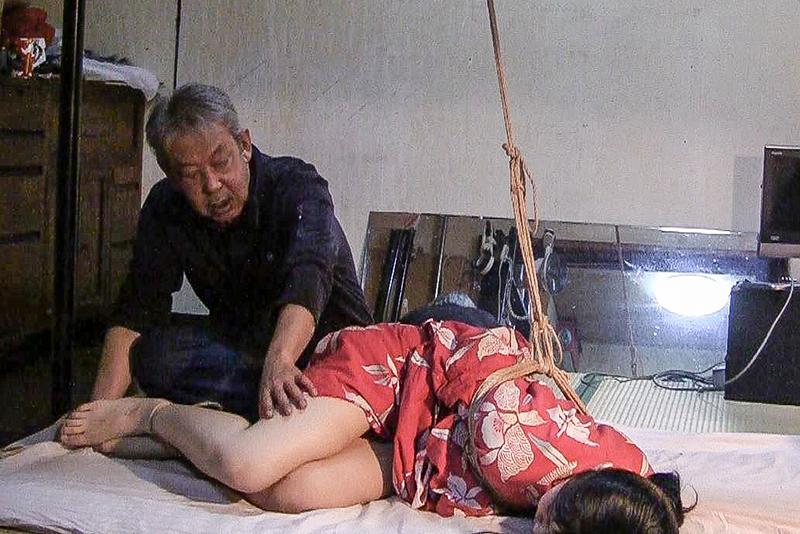
7Why Eros Matters: Keeping Shibari Dirty
Kinbaku Today has never been purely an archival or academic project.
Japanese rope emerged from erotic culture, SM publishing, pornography, performance, fantasy, and sexual subcultures. Any attempt to make kinbaku historically respectable by stripping away that context risks erasing an important part of what made the practice possible in the first place.
“Why Eros Matters” argued for keeping that history visible.
The point was not that every contemporary rope practice must be sexual. It was that we should be careful about rewriting the past in order to make the present more comfortable.
That principle has become even more important as the archive has expanded. The magazines make clear that kinbaku developed within a much larger world of desire, fetishism, fiction, confession, commercial publishing, pornography, art, and SM culture.
8Kinbaku History, Memory, and the Trouble with Origin Stories
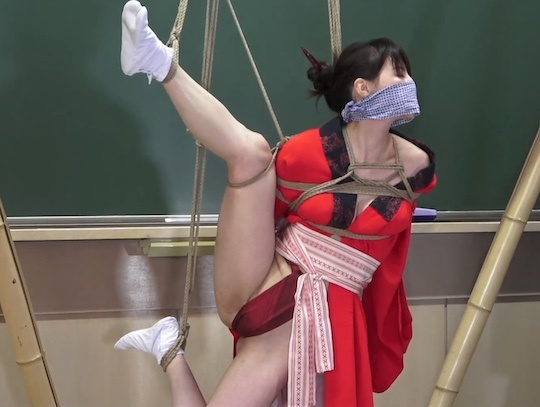
If there is one article that marks the beginning of the current phase of Kinbaku Today, it may be this one.
For many years, much of the history of kinbaku available in English came through memoir, personal recollection, lineage narratives, translated fragments, and later attempts to assemble those materials into a coherent origin story.
Those sources remain valuable, but they are not all the same kind of evidence.
A magazine page published in 1953, a memoir written decades later, an oral recollection, and a modern English-language history each tell us different things and require different kinds of scrutiny.
This essay marked a change in how I approached the history of kinbaku: away from asking only what story have we inherited? and toward asking what evidence produced that story?
That question has driven much of the work that followed.
Read Kinbaku History, Memory, and the Trouble with Origin Stories →
9Why Nureki (Still) Matters
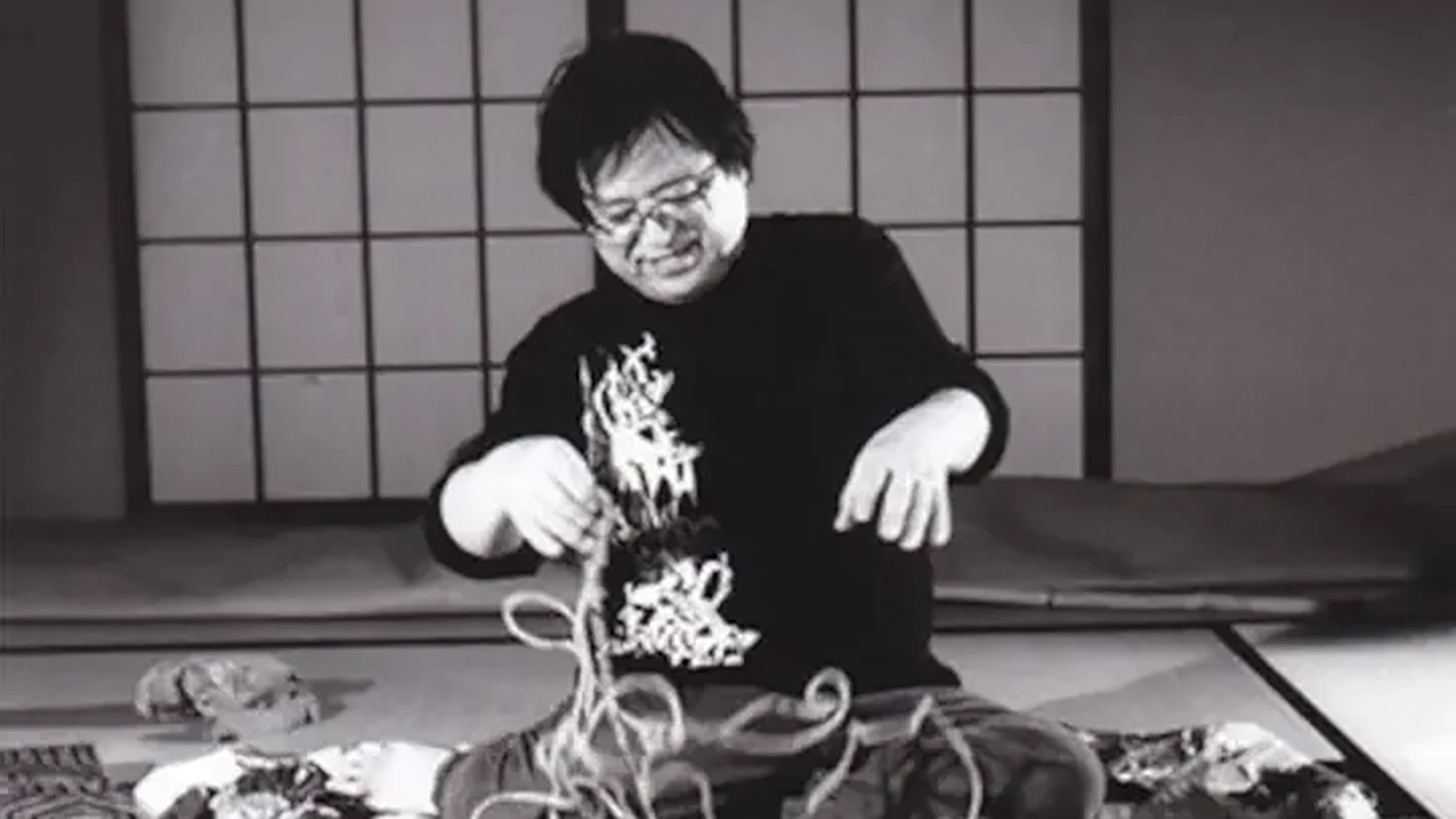
Nureki Chimuo occupies an unusual place in the history of Japanese kinbaku.
He was a practitioner, author, editor, director, historian, and participant in the commercial world of Japanese SM publishing. Together with photographer Sugiura Norio, he helped create some of the most recognizable bondage imagery of the late Shōwa era.
But Nureki is important for another reason: he wrote constantly.
His essays, reminiscences, articles, and historical accounts preserve an enormous amount of information about the people and culture surrounding Japanese SM.
That makes him indispensable, but it also makes him a perfect example of why archival work matters. Memory, interpretation, loyalty, storytelling, and documentation overlap in his writing.
The growing Nureki archive allows us to read those writings not as isolated quotations but as a body of work.
Read Why Nureki (Still) Matters →
10The Japanese SM Magazine Archive
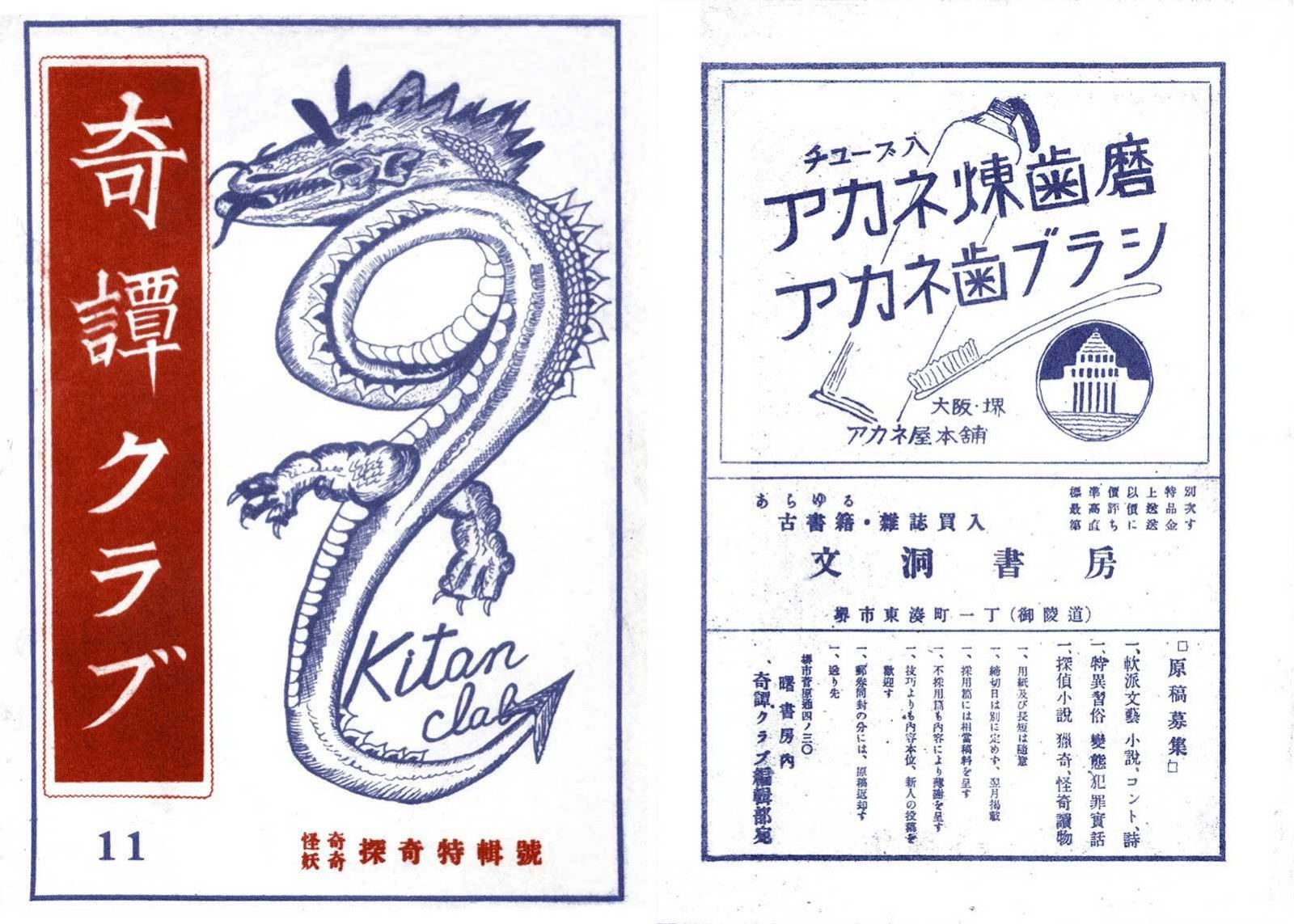
In July 2026, Kinbaku Today launched the Japanese SM Magazine Archive.
Instead of using magazines only as sources for individual essays or illustrations, we began treating the magazines themselves as a historical corpus.
Issues are being catalogued page by page. Tables of contents are reconstructed. Contributors are identified. Article summaries are created. Visual sequences are indexed. Translations can be connected directly to their original pages.
The archive currently contains material from publications including Kitan Club, Uramado, Fūzoku Kitan, Gaho Fūzoku Kitan, Sun & Moon, SM Sniper, and others.
The result is not merely a collection of scans.
It is becoming a map of Japanese SM publishing culture.
Explore the Japanese SM Magazine Archive →
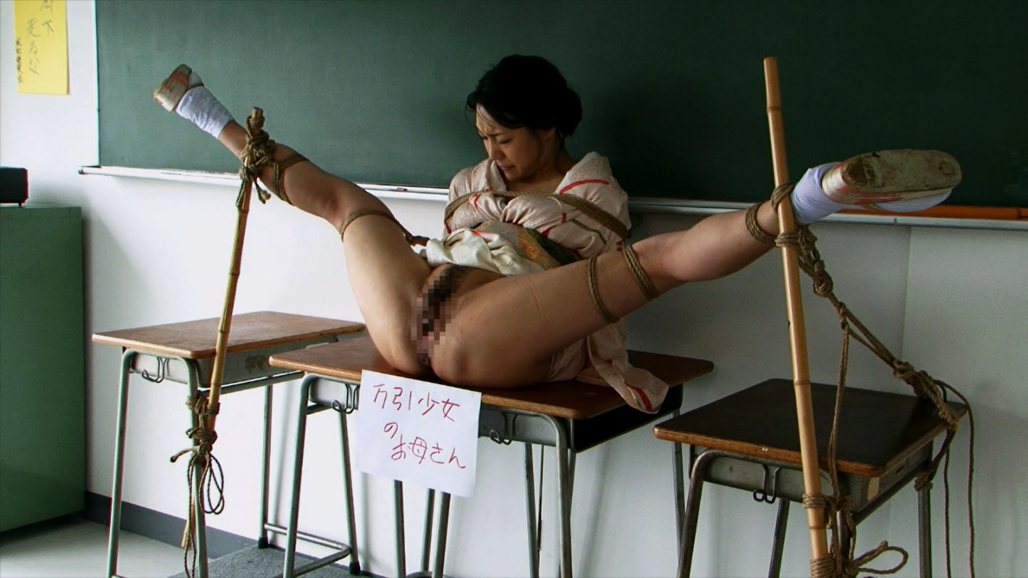
11Signs of Shame: Understanding Japanese Bondage Images
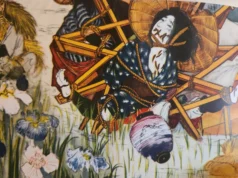
Published in 2017, Alice Liddell’s “Signs of Shame” takes a recurring visual detail in Japanese bondage imagery, handwritten signs attached to or placed beside bound women, and shows how much cultural meaning can be packed into something that may look incidental to a Western viewer.
The article moves from modern kinbaku films and magazine photography back to earlier images of public punishment, where signs identifying a person or describing an offense were part of the spectacle of shame. It also explains how such signs later served a practical purpose under censorship, covering prohibited areas of the body while simultaneously intensifying the narrative of humiliation.
What makes the piece especially valuable is the way it connects visual culture, language, punishment, censorship, and erotic fantasy. It is a good example of one of Kinbaku Today’s enduring goals: helping readers see details in Japanese bondage imagery that are easy to miss without historical and cultural context.
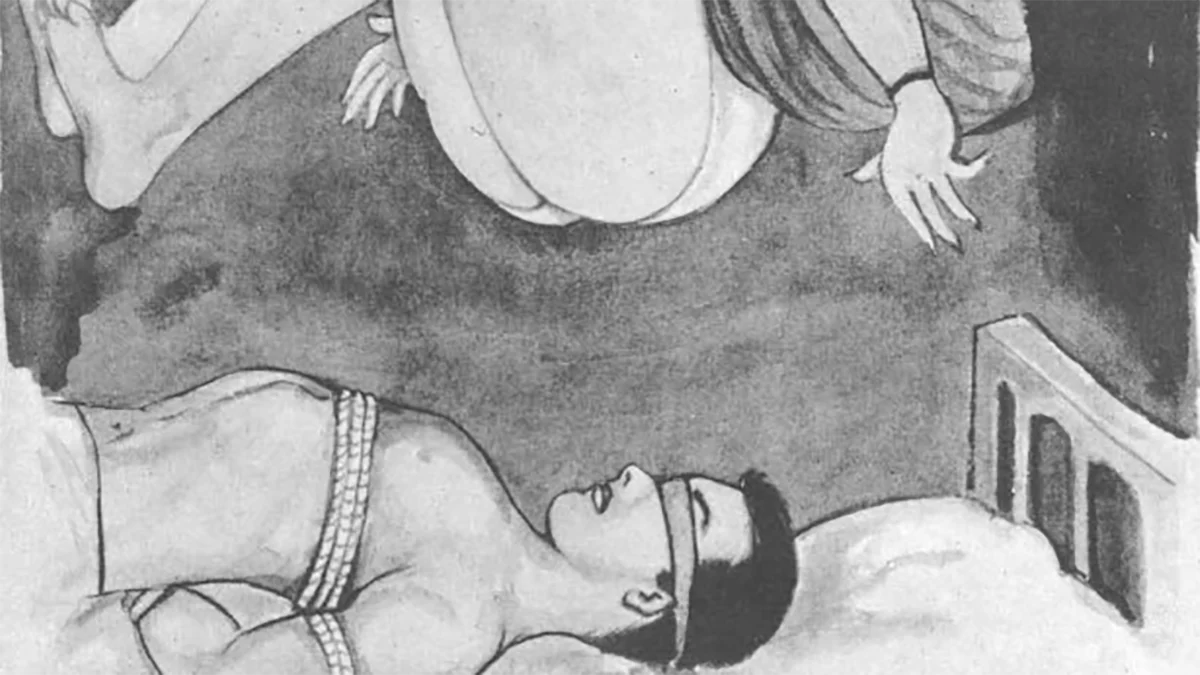
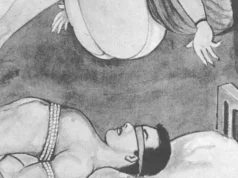
12Five Early Images by Namio Harukawa
Harukawa Namio eventually developed one of the most recognizable visual languages in Japanese erotic art: powerful women, male submission, forniphilia, exaggerated bodies, humiliation, and an unmistakable sense of theatrical imbalance.
The five images presented in this recent article come from Kitan Club between 1962 and 1966, before that mature style had fully crystallized.
What makes the piece important for this anniversary is not simply Harukawa.
It demonstrates what the archive can now allow us to do.
Instead of encountering an artist only through his famous later work, we can move backward through magazines, locate earlier appearances, compare images across years, and watch an artistic vocabulary gradually form.
The archive allows history to become visible in sequence.