July: The Tanabata Festival
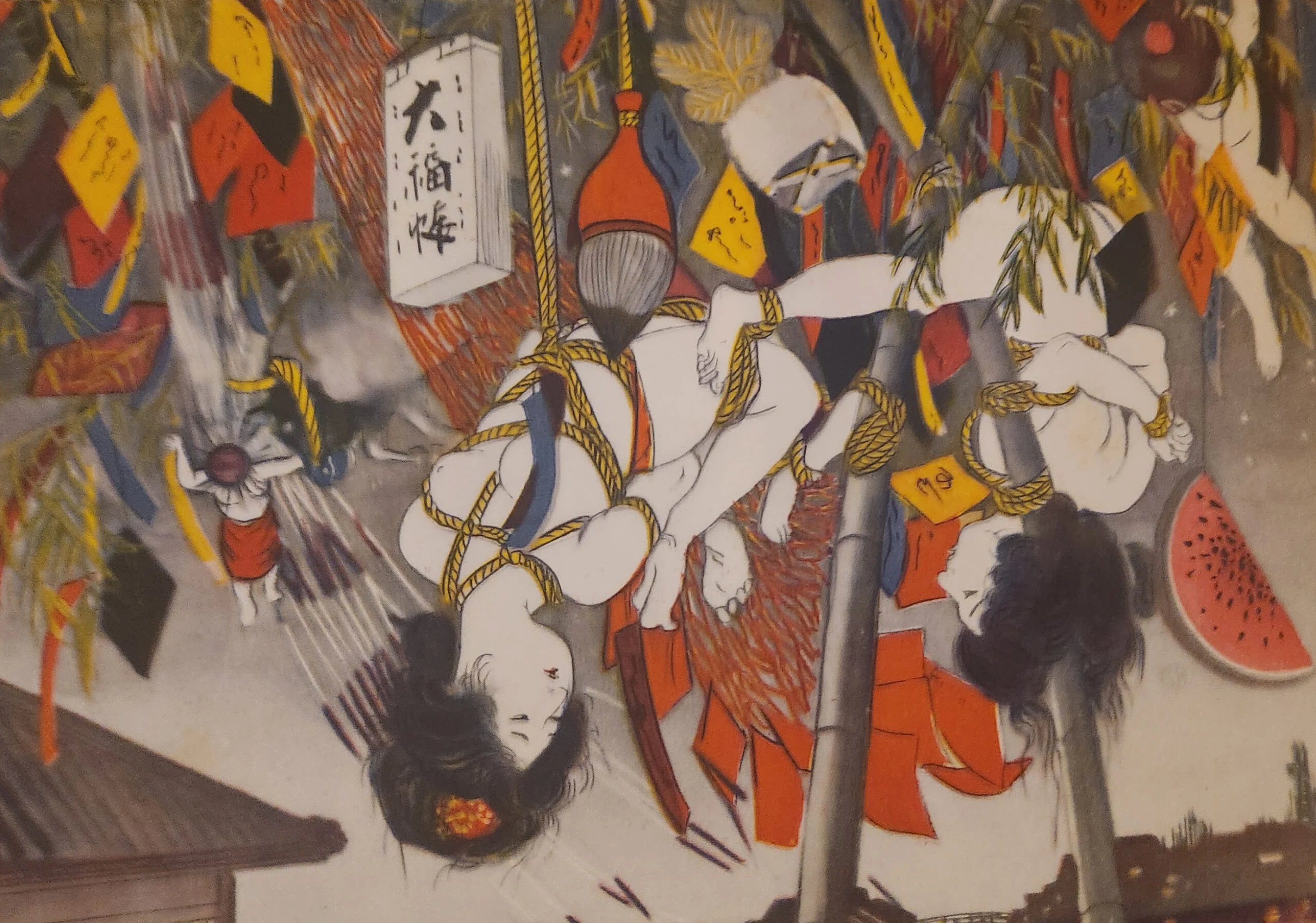
The Tanabata Festival was one of the important annual observances of Edo. Because it was associated with encouraging virtue and discouraging vice, every household with children made a point of celebrating it.
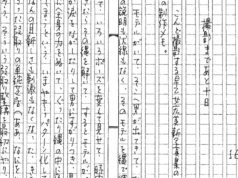
Several days beforehand, the teacher at the local temple school would have the children copy waka poems and Chinese-style verse onto colored paper and narrow poem slips. The children were then ranked according to the skill of their calligraphy. The finest examples were hung near the top of a bamboo branch, while the poorer ones were placed lower down. In modern terms, it was rather like publicly announcing examination results.
In merchant households, the bamboo was decorated not only with five-colored paper but also with papier-mâché models of account books and similar objects.
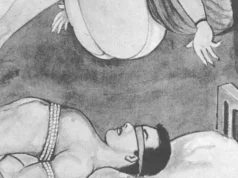
At one such celebration, someone decided to create a particularly eye-catching display. He commissioned a doll maker named Kanbei, who lived in Edo’s well-known Ningyōchō district, to make a nude figure of a beautiful woman bathing. The doll was hung from the bamboo and immediately became the talk of Edo.
Its fame grew rather too great, however, and the magistrate’s office is said to have ordered that it be taken down.