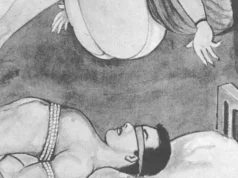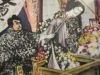
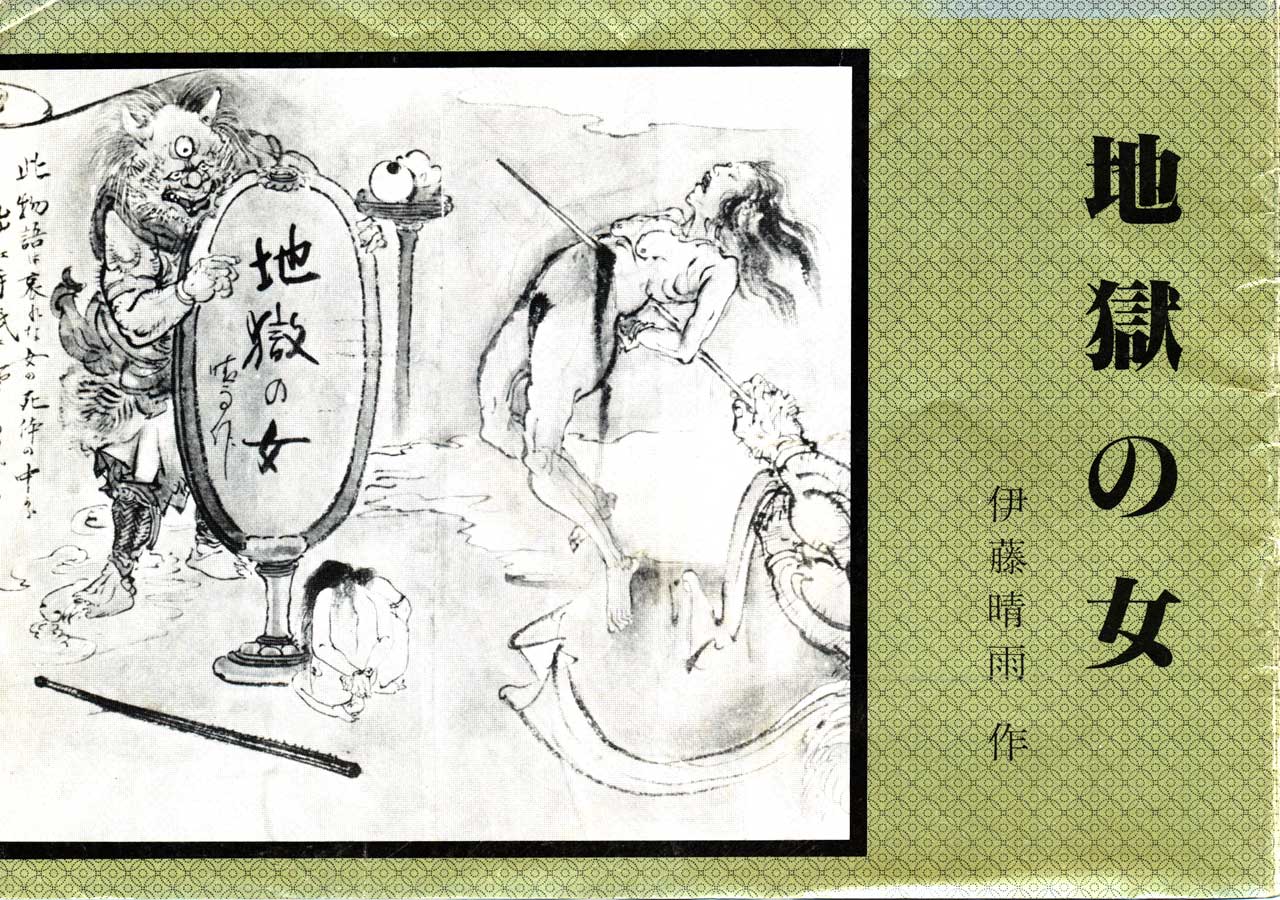
Women from Hell (Jigoku no Onna, 地獄の女) is a disturbing and historically revealing illustrated work by Itō Seiu, one of the central figures in the development of modern Japanese imagery of bondage, punishment, and eroticized suffering.
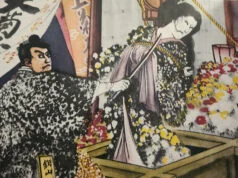
Across its pages, Seiu assembles scenes of women bound, suspended, exposed, interrogated, publicly humiliated, and subjected to an extraordinary range of punishments. Some are presented as episodes drawn from Edo-period customs, criminal history, urban legends, religious practices, and popular folklore. Others move more freely between historical reconstruction and the artist’s own dark imagination. Handwritten explanatory passages accompany the pictures, giving the work the atmosphere of a grotesque illustrated chronicle rather than a continuous narrative.
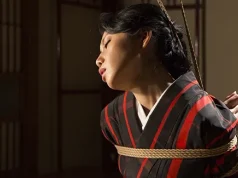
The title’s “hell” is therefore not a single supernatural realm. It is a landscape built from human institutions: the prison, the execution ground, the magistrate’s court, the village street, the household, and the spectacle of public punishment. Rope repeatedly appears as the mechanism through which the body is controlled and transformed. It restrains, suspends, displays, and frames the women, making physical suffering inseparable from theatrical presentation.
Several of the accompanying texts locate these images within the rituals and folklore of the traditional calendar. A carp streamer becomes an instrument of punishment; the waters of Mount Ōyama are associated with the restraint of women believed to be insane; and even the decorations of the Tanabata festival become an occasion for the display of a female figure. These episodes demonstrate Seiu’s fascination with the unstable border between historical record, rumor, moral anecdote, and erotic fantasy.
Modern readers should approach the work critically. Its women are rarely granted an independent voice, and violence against them is repeatedly converted into visual spectacle. Yet this discomfort is also part of the work’s historical importance. Women from Hell shows how Seiu gathered fragments of punishment culture, theatrical convention, folklore, and erotic art into a visual language that would profoundly influence later representations of kinbaku.
The images presented here contain nudity, coercion, torture, and graphic depictions of violence. They are reproduced for historical research and critical study.